Garden Services in Purley

Garden services in Purley can cover regular maintenance, one-off tidy work and more involved outdoor improvements for homes and managed properties. Our approach is centred on keeping borders, lawns, hedges and planted areas under control while shaping the space so it remains practical to use through the year. Clear, orderly gardening is often the starting point, whether the aim is to restore a neglected plot or maintain an established garden with less effort.
We provide a broad mix of outdoor work, from routine cuts and seasonal pruning to clearance, simple planting support and practical improvements such as decking or landscape gardening where a more structured finish is wanted. If you need a reliable way to prepare a garden for use, reduce overgrowth or keep recurring jobs on track, our service can be tailored to the size and condition of the space rather than forcing it into a fixed package.
For a straightforward enquiry, use the main service pages below to choose the area that best matches your needs, then request a quotation with the details of the garden and the work required. If your project involves several tasks, it is often helpful to group them together so the scope is clear from the start.
Regular garden maintenance
Garden maintenance is the foundation of many outdoor care plans. It usually involves a repeatable set of tasks that keep growth tidy, surfaces accessible and planting areas manageable. In practical terms, that may mean cutting grass, reducing hedge spread, removing spent material, edging borders or refreshing overgrown sections that have started to look uneven. The value lies not only in appearance but in keeping the whole space easier to look after next time.
Where the garden has mixed planting and different surface types, maintenance work needs a careful eye for what should be cut back now and what should be left for later. Some gardens benefit from gentle, regular attention; others need a more decisive reset before routine care can begin. We can discuss the level of intervention that suits the site, so the work remains proportionate and the result is tidy without stripping the garden of structure.
Garden maintenance tasks and planning

In many cases, customers want a clear list of the day-to-day tasks that can be included in garden maintenance. Typical work may involve keeping lawns trimmed, neatening edges, dealing with soft growth around paths, removing small amounts of green waste and making sure frequently used areas remain passable. Larger gardens can also benefit from work being divided into sections, so attention reaches every part without leaving the whole site looking half-finished.
Useful maintenance options often include:
- grass cutting and edging
- hedge and shrub trimming
- border tidying and light weeding
- leaf and debris removal
- small seasonal cut-backs
If you are comparing options, think about whether you need a single tidy-up, a seasonal refresh or an ongoing pattern of visits. A clear description of access, the present condition of the garden and any areas you want left untouched will help shape the quotation. Good maintenance is specific: it should suit the planting, the layout and the amount of change you want to see.
Lawn mowing and neat finishes
Lawn mowing is one of the most recognisable parts of garden care, yet the quality of the finish often depends on details such as the height of the grass, the condition of the edges and whether surrounding areas have been cleared first. A lawn can look dramatically better when it is not simply cut, but also edged cleanly and freed from clippings or debris that dull the result. For many gardens, this is the task that sets the tone for the rest of the outside space.
Where lawns are uneven or bordered by beds, fences or paving, mowing needs to be adjusted to the site rather than handled as a quick pass. That may mean taking care around features, leaving sensitive areas alone for a separate visit or combining cutting with a broader tidy to avoid missed strips and rough transitions. The aim is a finish that looks deliberate, not rushed.
Hedge trimming and shaping
Hedge trimming does more than shorten growth. It can improve shape, restore definition along boundaries and stop hedges from spreading into paths, drives or planted beds. Some hedges need only a light tidy to maintain a crisp outline, while others require more substantial reduction because they have become too dense, too tall or uneven across one side. The right method depends on the species, the season and the result you want to keep.
When a hedge has been left for a while, it is often useful to decide whether the priority is neatness, height control or a fuller reshaping over more than one visit. Trimming can also be combined with removal of cuttings, so the garden does not keep the by-products of the job. If you are managing a front boundary, privacy screen or mixed planting line, a measured cut can make a strong difference without making the space look harsh.
Tree lopping and removal
Tree lopping and removal are more substantial services that call for careful judgement. Some trees only need selected branches reduced to improve clearance or balance, while others are better dealt with through full removal if they are unsuitable for the space, heavily crowded or no longer practical to keep. The work should always be planned around the tree’s size, condition and position in relation to structures, borders and neighbouring plants.
Where removal is the appropriate choice, there may also be a need to clear arisings and leave the site ready for whatever comes next. That might mean a cleaner open space, a more manageable border or preparation for new planting or landscaping. Because tree-related work can affect light, shape and access, it is worth approaching it as part of the overall garden layout rather than as an isolated task.
Garden clearance and waste removal

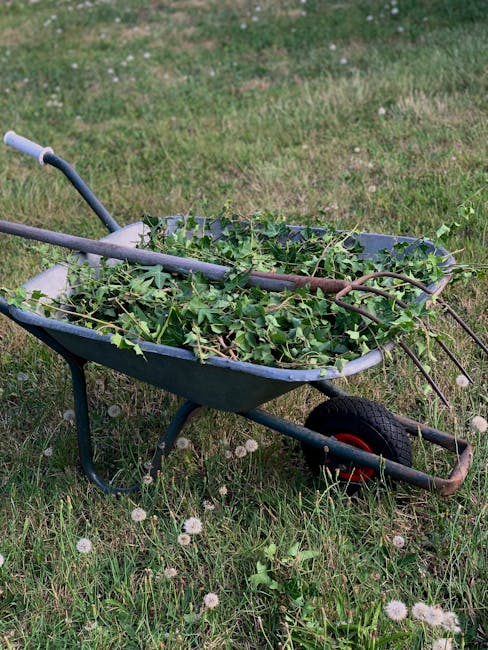
Garden clearance is useful when a space has become cluttered by cuttings, overgrowth, fallen material or old garden contents that need to be taken away. It is often chosen before other work can begin, because once the site is clear, it becomes easier to see the layout properly and decide what should stay. Clearance can also be helpful after seasonal growth, when the garden needs a reset rather than a light tidy.
In practical terms, clearance can include collection of organic waste, removal of unwanted debris and the sorting of material so the outside area is left ready for fresh work. It is especially useful where access is awkward, growth has spread into corners or the garden has not had attention for a long period. In those cases, the priority is to create order first and then decide on the next step.
For a quotation, it helps to describe the type of material present, whether the space is easy to reach and whether you want the cleared waste taken away as part of the job. If several tasks are involved, a single visit may be the most efficient way to cover them. This is the point to request a quotation and outline the scope clearly.
Landscape gardening and structural changes
Landscape gardening goes beyond routine upkeep and starts to shape how the garden functions as a space. It may involve reworking borders, adjusting levels, introducing planting structure or bringing different elements together so the layout feels more coherent. For some properties, the aim is to improve flow between seating, lawn and planting areas; for others, it is to create a cleaner framework that is easier to manage in future.
Because landscape gardening can include several related tasks, it works best when the outcome is defined early. A garden may need softer planting-led changes, or it may need harder edges and more defined zones. Either way, the result should be practical as well as attractive, with the work matched to the scale of the site and the materials selected for it.
About Purley

Purley is a town in the southern part of the London Borough of Croydon, positioned on the route of the old main road south from London and now closely associated with the A23 corridor. It developed as a suburban settlement during the growth of railway travel in the nineteenth century, when improved transport made the surrounding hillside more accessible for residential development. The area sits near the edge of the North Downs, and that position gives it a noticeable change in landform compared with the flatter ground further north. Purley station remains one of the best-known transport landmarks, linking the town with central London and the wider rail network. The local character is shaped by a mixture of earlier villas, interwar housing and later development, creating streets that vary from formal avenues to more compact residential roads. Nearby open spaces and parkland add to the sense of a place that sits between urban density and more open countryside. The town also has a modest commercial centre and is connected to neighbouring districts that share its wider suburban pattern. All of this gives Purley a distinct identity within Croydon: not a dense inner district, but a place where movement, housing and open land have long influenced how the area has grown.
Decking and usable outdoor surfaces
Decking can turn an uneven or underused part of a garden into a clearer, more usable surface. It is often chosen where a seating area is wanted, where ground conditions are less suitable for lawn or where a raised platform helps connect different levels. The value of good decking lies in proportion and placement: it should fit the garden, not overpower it, and it should feel like a natural part of the layout rather than an added extra.
When decking is planned alongside other outdoor work, the surrounding features matter just as much as the boards themselves. Borders may need redefined edges, overgrowth may need reduction and pathways may need cleaning up so the finished area reads as a complete space. If you are weighing up options, consider whether the main goal is entertaining, easier movement, or simply a more ordered outdoor finish. A well-chosen structure can support all three.
Pricing factors and quotation details
Garden work is usually priced according to the tasks involved, the condition of the site and the time needed to complete the job properly. A regular cut and tidy will naturally differ from a full clearance or a more complex landscaping brief. Access can also affect the scope, especially where equipment has to be carried through narrow side passages or where waste needs sorting and removal. The more accurately the job is described, the easier it is to prepare a useful quotation.
When you send an enquiry, it helps to mention the main areas that matter most, such as lawns, hedges, trees, planting beds or a specific structure like decking. If you know what you want to keep untouched, include that as well. You do not need to overcomplicate the explanation; a straightforward description of the present condition and the desired finish is usually enough to start the process. Clear scope leads to clearer pricing, especially on mixed jobs.
How to prepare a garden job
Before work begins, a few practical details can make the visit run more smoothly. Make sure the areas to be treated are identified, gates or access points can be used safely and any delicate items or features that should not be disturbed are easy to notice. If there are pets, temporary obstacles or items left in the garden, it is sensible to mention them when asking for a quotation so the scope can be considered properly.
It is also useful to think about timing. Some jobs are best tackled as a single clear-up, while others benefit from being broken into stages, especially if clearance, cutting and structural work are all involved. Where a garden is very overgrown, a first visit may establish the base condition before finer work is planned. In that way, the service stays realistic and the end result is easier to control.
To discuss your garden services in Purley, use the relevant service page and tell us what needs attention. If you are ready to move ahead, send the details for a quotation and we will take it from there.