Avoid hidden garden maintenance fees in Purley
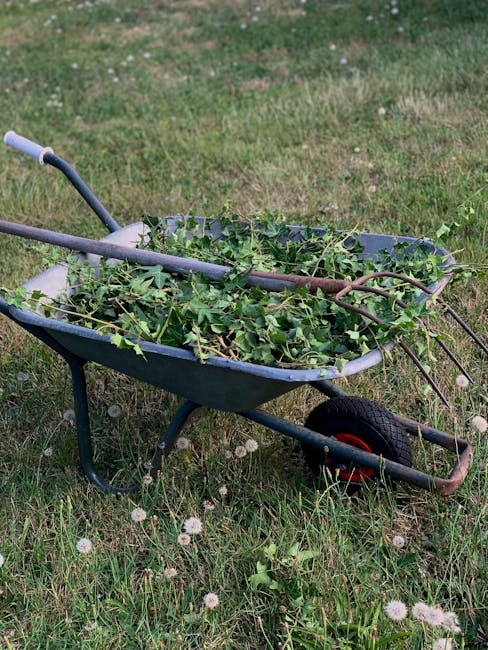
If you have ever agreed a garden quote and then watched the final bill creep up, you will know how frustrating it feels. One minute you are booking a tidy-up, the next you are being charged for things you assumed were already included. The good news is that you can avoid hidden garden maintenance fees in Purley with a bit of know-how, a clear checklist, and the right questions before any work starts.
This guide explains what hidden fees look like, why they happen, how to spot them early, and how to compare garden maintenance quotes properly. It is written for homeowners, landlords, letting agents, and anyone in Purley who wants a well-kept garden without unpleasant surprises. Straightforward, practical, and hopefully a little reassuring too.
Key takeaway: most surprise costs are preventable when the scope, access, waste handling, frequency, and payment terms are clear from the start.
Why Avoid hidden garden maintenance fees in Purley Matters
Garden maintenance often looks simple from the outside. Cut the lawn, trim the hedge, clear the borders, sweep up, job done. But in reality, small extras can be bundled into the work without being clearly explained. That is where people get caught out. A quote might sound competitive until you notice separate charges for green waste removal, call-out time, fuel, disposal, extra labour, or a one-off charge for difficult access.
In Purley, where gardens can range from compact front plots to larger family gardens with slopes, side access, or mature planting, the final price can shift quickly if the scope is fuzzy. A clear quote protects both sides. You know what you are paying for, and the gardener knows exactly what they have agreed to do. Simple, really. But it is amazing how often this one step is skipped.
Hidden fees matter for another reason too: they make it harder to compare providers fairly. If one quote includes waste removal and another does not, the cheaper number may not be cheaper at all. That can lead to poor decisions, repeated visits, or rushed work that leaves you paying more later. Nobody wants that, least of all when the weather is decent and you just want the garden sorted before the weekend.
For many customers, the biggest issue is not a huge scam. It is drift. A small assumption here, a vague line there, and suddenly the invoice is higher than expected. This is why a proper written scope is so useful, especially for recurring work such as garden maintenance or seasonal one-offs like a full tidy-up after months of growth.
How Avoid hidden garden maintenance fees in Purley Works
The process is straightforward once you know the pressure points. Hidden fees usually appear when a quote is based on a quick description rather than a proper assessment. The gardener may estimate the time needed, but if the garden turns out to be more overgrown, more cluttered, or harder to access than expected, extra charges can follow. Sometimes that is fair. Sometimes it is avoidable. The difference is clarity.
Here is how the pricing process should work when it is done well:
- Initial enquiry: you describe the garden, the work required, and any awkward bits such as steep steps, locked gates, or heavy hedge growth.
- Site visit or detailed review: the provider checks the space, asks questions, and confirms what is included.
- Written quote: the quote sets out the tasks, frequency, waste handling, exclusions, and any extra conditions.
- Agreement: you confirm the scope, timing, and payment terms before work begins.
- Completion and review: the work is carried out against the agreed scope, so any extras are visible and discussed early.
That sounds neat on paper, but the real world is a bit messier. A garden may look tidy in winter and then explode into growth by late spring. A hedge that looks like a quick trim can turn into a half-day job if it has not been cut for months. A pile of clippings may fit in one bag, or five. The key is not guessing. The key is naming the variables before the job starts.
It also helps to understand the difference between a fixed price and an hourly price. Fixed pricing gives you more certainty, while hourly pricing can be useful for unpredictable jobs. Neither is automatically better. What matters is whether the quote explains how extra time or extra materials are handled. If it does not, ask. Honestly, ask twice if you need to.
If you are comparing broader services, it can help to look at the provider's overall offering too, such as services overview, so you can see whether the maintenance visit sits alongside clearance, landscaping, or seasonal work.
Key Benefits and Practical Advantages
Getting pricing clarity right does more than protect your wallet. It improves the whole experience of booking and managing garden work. You spend less time chasing answers and more time enjoying the actual results.
- Budget control: you can plan for recurring costs instead of guessing each month or season.
- Fair comparisons: quotes become easier to compare like for like.
- Better communication: both sides understand the job boundaries.
- Less dispute risk: there is less chance of an awkward conversation after the work is done.
- Cleaner service delivery: the team can work faster when there is no confusion over scope.
- More reliable scheduling: if the job is clearly defined, it is easier to plan the time needed.
There is also a quieter benefit that people do not always mention: peace of mind. When you know the invoice will match the quote, you can relax a little. You can leave the gate open, make the kettle, and not keep peering out of the window wondering what else might be added. That sounds minor until you have had the opposite experience.
For larger jobs, such as garden resets or clear-outs, the savings can be even more noticeable. A provider that explains disposal, labour, and access in advance is usually easier to trust than one that gives a vague headline price and sorts the rest out later. If the job includes bulky waste, for example, checking the details on garden clearance can help you understand where a quote may reasonably change.
Who This Is For and When It Makes Sense
This matters to anyone booking garden work in Purley, but some people feel the impact more than others.
- Homeowners: especially if you want regular upkeep without paying surprise extras every visit.
- Landlords: because turnaround time and predictable costs matter between tenancies.
- Letting agents: because you need invoices that are clear enough to pass on without disputes.
- Older residents: because simple, transparent billing is easier to manage and far less stressful.
- Busy families: because nobody has time to untangle a messy quote after school run chaos and a wet Tuesday evening.
- People preparing to sell: because a tidy garden is valuable, but only if the cost stays under control.
It also makes sense if your garden is not straightforward. Maybe there is a long border that needs regular attention. Maybe hedges have gone a bit wild after a few busy months. Maybe the lawn is uneven and needs more than one pass. In those cases, a proper written quote is not just helpful. It is essential.
If hedge work is part of the plan, check how it is priced alongside hedge trimming. If lawn care is included, review the details around lawn mowing. Different tasks often carry different labour and waste costs, so bundling them without explanation can be misleading.
Step-by-Step Guidance
Here is a practical way to reduce the chance of hidden charges before you book any garden maintenance work in Purley.
1. Describe the garden properly
Do not say only, "It needs a tidy." That is too vague. Mention lawn size, hedge height, border condition, leaf fall, green waste, access, and whether there are any obstacles. A few honest details up front can save a lot of back-and-forth later.
2. Ask what is included
Get clear on the basics. Does the quote include labour, equipment, sweeping, hedge cuttings, bagging, and waste removal? What about disposal fees? If you are unsure, ask the provider to state what is included and what is not. Plain English is best here. Fancy wording does not help anyone.
3. Ask about access and parking
Some properties are easy to work at; others are a bit awkward. Long carries from the van, limited parking, locked side access, or a garden reached only through the house can all affect time. If any of that applies, say so early. A fair provider will factor it in openly rather than spring it on you later.
4. Clarify frequency
A one-off visit is priced differently from weekly or fortnightly maintenance. The price may change if the provider is coming regularly because the garden is easier to keep under control. If you want recurring work, make sure the quote reflects that rhythm, not a one-off emergency rate.
5. Check for minimum charges
Some gardeners have a minimum visit fee, especially for small jobs. That is not unusual, but it should be disclosed. If you only need a quick trim or a light refresh, a minimum charge may matter more than the actual task list.
6. Confirm waste handling
Green waste is one of the most common places where hidden costs creep in. Ask whether clippings are removed, composted on site, bagged for collection, or charged separately. If a garden is overgrown, the waste volume can be surprisingly large. One neat-looking hedge can hide a mountain of cuttings. Gardening does that. It likes surprises.
7. Request written confirmation
Even a short written summary is better than relying on memory. Make sure the quote or message states the agreed work, any exclusions, and the price basis. A short paper trail saves arguments later, and it is especially useful if more than one person is involved in approving the job.
For landscaping projects that sit beyond routine maintenance, the same logic applies. If the work is drifting toward redesign or reshaping, read the details carefully on landscaping or landscape gardening so you understand what type of job you are really commissioning.
Expert Tips for Better Results
After enough quotes and garden visits, a few patterns become obvious. The following tips usually make the difference between a smooth booking and a disappointing one.
- Give photos, but do not rely on them alone: photos help, yet they often hide depth, slope, or access issues.
- Ask for a line-by-line quote when the job is complex: this makes it easier to see where costs sit.
- Separate routine maintenance from one-off remedial work: the pricing should reflect the difference.
- Be honest about neglect: if the garden has not been touched for months, say so.
- Check whether equipment is included: some jobs need specialist kit, and that may affect the rate.
- Discuss timing around seasonality: spring and early summer often bring faster growth, so tasks can take longer.
A small practical tip: if your hedge or lawn has been left too long, do not ask for a "normal" price and hope for the best. The honest route is better. Most providers can work with that. In fact, most prefer it. Nobody likes finding out midway through that the job is twice as big as expected.
It can also help to review service information on broader site pages that explain the provider's working approach, including about us and insurance and safety. You are not being fussy by checking these things. You are being sensible.
Common Mistakes to Avoid
Most hidden-fee problems come from a handful of avoidable mistakes. The annoying part is that they are all very human mistakes. Easy to make. Easy to dodge once you know them.
- Accepting a vague verbal quote: if it is not written down, it can be interpreted differently later.
- Assuming waste removal is included: this is one of the most common sources of extra cost.
- Not mentioning access problems: narrow side paths, locked gates, or long carries can add time.
- Ignoring minimum fees: small jobs can become expensive if a minimum visit charge applies.
- Comparing quotes only by headline price: a cheap quote may exclude essential items.
- Not checking whether hedge, lawn, and clearance work are priced separately: different tasks often have different cost structures.
Another mistake is expecting every provider to price the same way. Some are better for regular upkeep, others for larger clean-ups. Some are happy to bundle everything, others prefer separate line items. Neither approach is automatically wrong, but you do need to know which one you are dealing with. Otherwise the final bill can feel like it arrived wearing a fake moustache. Bit dramatic, maybe, but you get the point.
Tools, Resources and Recommendations
You do not need a complicated system to manage garden maintenance costs. A few simple tools are usually enough.
- A note on your phone: list what the garden needs, what was quoted, and any special conditions.
- Clear photos: take pictures of the lawn, hedges, borders, side access, and any problem areas.
- A written quote or email trail: keep the agreed price and scope in one place.
- A checklist for recurring visits: this is useful if you book maintenance every few weeks.
- A basic calendar reminder: helps you avoid letting work pile up until it becomes a larger, costlier job.
If you care about how waste is handled, it is worth checking whether the provider has a visible approach to reuse and disposal. A page like recycling and sustainability can give a useful indication of how clippings and garden materials are treated. That matters more than people think. You do not want a simple tidy-up turning into a messy waste story.
For payment clarity, the page on payment and security is worth a look if you want to understand how charges are taken and what payment methods are expected. Clear payment terms reduce friction. And yes, they reduce excuses too.
Law, Compliance, Standards, or Best Practice
Garden maintenance is not usually a heavily regulated service in the way some building or trade work is, but there are still sensible standards and legal duties that professional providers should respect. This is where best practice matters as much as the quote itself.
In practical terms, you want a provider who is open about business terms, insurance, health and safety, and complaint handling. Those details do not just protect the business; they protect you as the customer too. If something goes wrong, or if there is confusion about the work, those policies help establish a fair process.
A few things are worth looking for:
- Clear terms and conditions: especially around scope, cancellation, access, and extra charges.
- Insurance awareness: a professional business should be able to explain how it manages risk on site.
- Health and safety care: particularly where ladders, cutting tools, trees, or uneven ground are involved.
- Transparent complaints process: because good service includes a route to resolve issues.
Tree-related work can be particularly sensitive, so if your quote involves larger branches or removal, check how the provider handles that work and whether it is clearly separated from simple garden maintenance. A dedicated page such as tree lopping and removal can help you see the difference between routine pruning and more involved tree work.
One more thing: if a quote feels unclear, that is usually a sign to pause. Not panic. Pause. Ask for a revision. A professional will normally understand why you are doing that.
Options, Methods, or Comparison Table
When people talk about avoiding hidden fees, they are usually choosing between a few pricing approaches. Here is a simple comparison to help you see the trade-offs.
| Pricing approach | Best for | Strengths | Watch-outs |
|---|---|---|---|
| Fixed quote | Clearly defined jobs and regular maintenance | Predictable, easy to budget, reduces surprises | Must be based on an accurate scope |
| Hourly rate | Unpredictable or open-ended work | Flexible, useful when scope is hard to define | Can become expensive if the job grows |
| Per-visit package | Recurring garden care | Simple, often convenient for repeat bookings | Check exactly what each visit includes |
| Task-based pricing | Mixed jobs with separate elements | Transparent if each item is listed clearly | Can be confusing if tasks overlap |
For most people in Purley, a fixed quote for regular garden maintenance is the easiest way to avoid nasty surprises. But if the garden is in rough shape and the scope is uncertain, task-based pricing may be fairer at the outset. The best choice depends on the condition of the garden, how often it will be maintained, and whether there are extra tasks like clearance or light landscaping involved.
Case Study or Real-World Example
Here is a realistic example based on the kind of situation many people run into.
A homeowner in Purley asks for a quote to "tidy the garden." The space includes a small lawn, two tall hedges, a border full of weeds, and a pile of cuttings from an earlier attempt at trimming. The first quote sounds fine, but it only covers labour for the tidy-up. It does not include waste removal, hedge cuttings bagging, or disposal of the green waste.
Once those details are added, the cost changes. Not because anyone is being dishonest, but because the original request was too broad. The homeowner then asks for a clearer breakdown. The revised quote states the exact tasks, what waste is included, and whether the work is one-off or part of a recurring maintenance plan. The final booking is smoother, and nobody is arguing about what was "meant."
That kind of conversation happens all the time. The difference between an easy job and an annoying one is usually not the price alone. It is the clarity around the price.
In a slightly bigger garden, the same thing can happen with clearance and trimming combined. A quote for hedges, lawn, and green waste may look neat in a single line, but once the provider explains the work properly, you often discover that the job is really a combination of maintenance and clearance. That is when you may want to separate the tasks, or at least understand them separately, before moving forward.
Practical Checklist
Use this checklist before you accept any garden maintenance quote in Purley.
- Have I described the garden clearly, including access and size?
- Does the quote say exactly what work is included?
- Are waste removal and disposal included or charged separately?
- Is the price fixed, hourly, per visit, or task-based?
- Have I asked about minimum charges or call-out fees?
- Does the quote mention any exclusions?
- Have I confirmed whether hedge, lawn, and clearance work are treated separately?
- Do I have the agreement in writing?
- Have I checked the provider's payment terms?
- Do I understand what happens if the garden condition is worse than expected?
- Have I looked at relevant service information for maintenance, hedge work, or clearance?
If you can tick most of those off, you are in a much better position. Not perfect. Better. And that is often enough to avoid the ugly surprise at the end of the job.
Conclusion
To avoid hidden garden maintenance fees in Purley, focus on clarity, not guesswork. The best quotes are the ones that explain the work, the waste, the access conditions, the frequency, and the payment terms in plain English. Once those details are clear, the rest becomes much easier. You can compare providers properly, plan your budget with confidence, and get the garden looking right without that uneasy feeling in your stomach.
If you are preparing to book work, start with a clear scope, ask for written pricing, and check the related service pages that match what your garden actually needs. A little care upfront can save a lot of hassle later, and truth be told, that is usually the smartest part of the whole job.
Get a free quote today and see how much you can save.
Frequently Asked Questions
What counts as a hidden garden maintenance fee?
A hidden fee is any charge that was not clearly explained before the work started. Common examples include waste removal, extra labour, minimum visit charges, difficult access costs, or disposal fees.
How can I compare garden quotes fairly in Purley?
Compare the quotes on a like-for-like basis. Check whether each one includes labour, waste removal, sweeping up, hedge work, and any minimum charges. A cheaper headline price is not always the better deal.
Should garden maintenance quotes be fixed or hourly?
It depends on the job. Fixed quotes are usually better for regular or clearly defined work. Hourly pricing can suit uncertain or open-ended jobs, but it needs a clear explanation of how time is tracked and billed.
Is waste removal usually included in a garden quote?
Not always. Green waste removal is one of the most common extras, so you should ask directly whether it is included. If it is not, ask how it will be charged.
What details should I give before asking for a quote?
Give a brief but honest description of the garden, the tasks needed, access points, hedge height, lawn size, overgrowth, and whether any debris or waste already needs clearing. Photos help too.
Why do some garden jobs cost more than expected?
Costs often rise when the actual work is bigger than the initial description. Overgrown hedges, awkward access, extra waste, or additional time on site can all affect the final price.
Can I avoid extra charges by booking regular maintenance?
Often, yes. Regular upkeep usually keeps the garden in better condition and easier to maintain, which can reduce the amount of labour and waste involved each visit.
What should be written in a garden maintenance agreement?
At minimum, the agreement should state the work included, the price basis, any exclusions, waste handling, timing, and payment terms. The clearer it is, the less chance there is of disagreement later.
How do I know if a quote is too vague?
If the quote just says "garden tidy" or "maintenance" without listing the actual tasks, it is probably too vague. Ask for more detail before agreeing to anything.
Do hedge cutting and lawn mowing need separate pricing?
They often do, especially if the garden has different levels of work or if one task generates much more waste than the other. Separate pricing can be more transparent and easier to understand.
What if the garden is in worse condition than I expected?
Tell the provider as soon as possible. A fair professional will usually explain how that affects the price before starting the job, rather than leaving you with a surprise invoice later.
Where should I look for service and pricing details before booking?
Start with the provider's pricing information and related service pages. For example, pages such as pricing and quotes, garden maintenance, and garden clearance can help you understand how work may be scoped and priced.