Same day gardeners CR8 Purley who can clear overgrown yards
If your garden has crossed the line from a bit untidy to genuinely unmanageable, you are not alone. A few wet weeks, a missed trim, and suddenly the lawn is waist-high in places, brambles are creeping over the fence, and the shed door barely opens. That is exactly where same day gardeners CR8 Purley who can clear overgrown yards become useful. They are the people you call when the space needs to be brought back under control quickly, safely, and without a lot of back-and-forth. In practical terms, this usually means fast garden clearance, basic cutting back, removal of green waste, and a clear plan for what happens next.
This guide walks through how same-day garden clearance works, when it makes sense, what to look for, and how to avoid the common mistakes that turn a simple job into a messy one. If you are trying to prepare a property for visitors, tenants, builders, a sale, or just your own sanity, this should help you make a better call.
Why Same day gardeners CR8 Purley who can clear overgrown yards Matters
An overgrown yard is more than a cosmetic issue. It can block access, hide hazards, attract pests, and make a property feel neglected. In a place like Purley, where many homes have front gardens, side paths, and rear spaces that are visible from neighbouring plots, the difference between "needs attention" and "needs urgent help" can happen quickly. One long weekend of rain, then heat, and things shoot up. We all know how that goes.
Speed matters because the longer growth is left, the more difficult it is to manage. Tall weeds seed themselves. Dense hedge growth creates shadowed damp areas. Brambles tangle into fences and deck edges. A same-day service is useful when the aim is not perfection on day one, but rapid recovery. It gets the space back into a usable condition so you can breathe again and decide the next step with a clear head.
There is also a trust angle here. If someone is offering same-day help, you still want them to work methodically. A rushed job can leave uneven cuts, missed waste, and damaged plants that were actually salvageable. Good garden clearance is fast, yes, but not careless. That balance is what people are really paying for.
For many property owners, this kind of service is also about avoiding escalation. A yard left unmanaged can become harder to walk through, harder to maintain, and more expensive to restore later. In some cases, a timely visit can prevent a small problem from becoming a bigger landscape job. If you already know the area needs more than a tidy-up, it may help to review the wider range of garden services available before you decide what to request first.
How Same day gardeners CR8 Purley who can clear overgrown yards Works
The process is usually straightforward, though the best outcomes come from clear communication at the start. Most same-day jobs begin with a quick assessment of the yard size, the level of overgrowth, access points, and what needs removing. Is it mostly grass and weeds? Or are there also shrubs, fallen branches, ivy, and old rubbish mixed in? That first conversation matters more than people think.
After that, the gardener or clearance team will normally prioritise the space in stages. They might cut access paths first, reduce the tallest growth, and then tackle the finer work. If the garden is seriously dense, they may need to work in a sequence: clear, cut back, gather waste, and then sweep or rake down the area so it is safe to walk on. A decent team will tell you what can be completed the same day and what may need a follow-up visit.
In many cases, overgrown yard clearance includes:
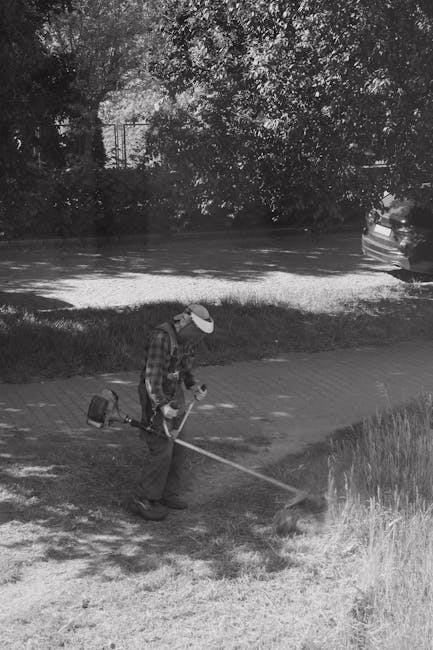
- strimming or mowing down tall grass and weeds
- cutting back brambles, nettles, and self-set growth
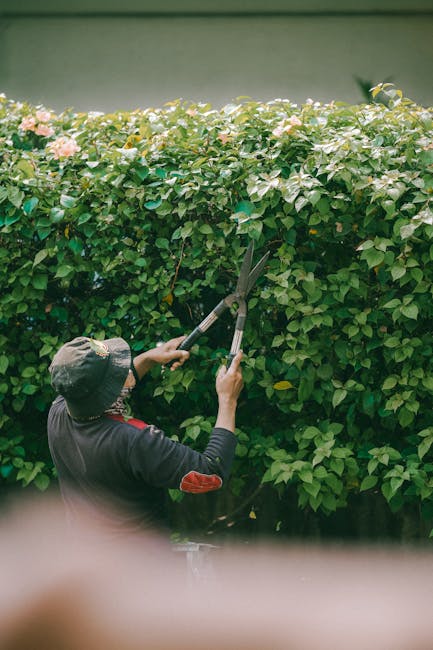
- hedge reduction or tidy trimming where access allows
- branch removal and light tree-related clearance
- bagging, loading, and removing green waste
- making the garden safe and visibly improved
If the job involves heavy branches, awkward access, or larger trees, it may need more specialist attention. That is where services such as tree lopping and removal can become relevant. Likewise, if the space needs longer-term upkeep after the first clear, regular garden maintenance can help stop the same mess returning two months later. Happens all the time, honestly.
The important thing to understand is that same-day does not always mean every single task will be finished in one neat sweep. It means the team will work urgently, efficiently, and with enough equipment to make a visible difference fast. That distinction matters.
Key Benefits and Practical Advantages
There are several clear reasons people choose fast garden clearance rather than waiting for a planned slot. Some are obvious, some less so.
1. Immediate relief. A yard that has become embarrassing or unusable can make the whole property feel different. Clearing it quickly gives you the space back. That alone is worth a lot.
2. Better access. Overgrowth can block bins, side passages, sheds, patio doors, and fence panels. Clearing routes first makes the garden safer and easier to manage.
3. Reduced trip and snag hazards. Hidden dips, broken pots, slippery debris, and tangled stems are common in neglected gardens. Removing them early helps prevent accidents.
4. Less stress before deadlines. Estate agents, landlords, tenants, family visits, delivery work, and home projects all create pressure. A same-day team can help you meet a date that would otherwise feel impossible.
5. A better starting point for future work. Once the yard is cleared, you can make sensible decisions about turf repair, border redesign, hedge shaping, or new planting. It is much easier to plan when you can actually see the ground.
6. Waste is handled properly. A key part of the job is not just cutting growth down, but removing it. If you have ever stared at a mountain of green waste and thought, "Right, and now what?", you will understand why this matters.
There is also a practical money-saving angle. When overgrowth is left too long, the work often becomes more labour-heavy and time-consuming. Fast clearance can reduce the amount of follow-up work needed. Not always, but often enough that it is worth thinking about.
Expert summary: same-day garden clearance works best when the priority is to restore access, remove unsafe growth, and create a manageable baseline. It is not about making a neglected yard perfect in one visit. It is about getting control back quickly, then deciding what tidy-up or improvement comes next.
Who This Is For and When It Makes Sense
This service is not only for people who have "let the garden go". Truth be told, gardens can get out of hand for all sorts of ordinary reasons: illness, work travel, family pressure, bad weather, broken tools, or simply not enough time in the week. If the site is in CR8 and you need it dealt with now, you are exactly the kind of person this kind of service is designed for.
It tends to make sense in these situations:
- you are preparing a house for sale or viewings
- you have a tenancy changeover coming up
- builders need access to the rear garden
- the lawn or borders have become unsafe to walk through
- you need a quick reset before a longer landscaping project
- friends, relatives, or guests are arriving and the garden is a bit of a state
- the weather has helped weeds and grass take over almost overnight
For landlords and property managers, speed matters because outdoor presentation affects first impressions. For homeowners, there is often an emotional side too. A cluttered, overgrown yard can make the whole place feel heavier. Clear the garden, and the house somehow breathes again. Small thing, big difference.
If your garden is not only overgrown but also structurally tired, it may be sensible to pair clearance with landscaping or even a broader redesign later on. The same applies if the space includes worn decking, uneven edges, or a layout that no longer works. A tidy-up and a redesign are not the same job, and good contractors will usually tell you that honestly.
Step-by-Step Guidance
If you are booking same-day help, this simple process will make the job smoother and usually save time on site.
- Describe the problem clearly. Say whether the yard is mainly grass, weeds, shrubs, brambles, fallen branches, or mixed waste. A clear description helps the team arrive prepared.
- Share access details. Let them know about side gates, narrow passages, locked entries, parking issues, or awkward steps. Same-day work can be delayed by something as plain as a stuck gate latch.
- Flag anything fragile or protected. Mention ornaments, pond liners, prized shrubs, cabling, decking, or uneven surfaces. If you do not want something cut back, say so early.
- Ask what is included. Does the visit cover cutting only, or also bagging and waste removal? A lot of confusion disappears once this is clarified.
- Decide the priority. Do you need the garden walkable, presentable, or fully cleared to soil level? Those are different outcomes, and different effort levels.
- Prepare the area if you can. Move out toys, bins, hoses, cushions, and loose tools. It is not essential, but it helps.
- Check the finishing expectations. Some jobs are best followed by mowing, edging, hedge trimming, or a return visit. Ask for a realistic plan rather than assuming everything will be done in one pass.
That last point is worth repeating. A same-day job is often the first step, not the entire journey. If the garden is very overgrown, the most sensible outcome may be a clear and safe space today, then a more measured follow-up for detail work.
For recurring overgrowth, regular cutting and trimming can help prevent the problem from returning so fast. Pages such as lawn mowing and hedge trimming are useful references when the clearance job reveals what actually needs ongoing attention.
Expert Tips for Better Results
After a lot of garden clearance jobs, a few patterns become pretty clear.
Start with the access route. If the team can reach the centre of the garden easily, the rest of the work goes faster. Clearing a narrow path first can save a surprising amount of time.
Be honest about the level of mess. People sometimes understate the problem because they feel embarrassed. No need. A truthful description helps everyone. If the brambles are climbing the fence like they have somewhere to be, say so.
Protect what you want to keep. Mark key plants, water features, or decorative areas before the visit if the garden is densely packed. A small note or even a bright ribbon can prevent accidental trimming.
Think beyond the first day. Once the worst growth is gone, ask what will stop it coming back. A maintenance schedule, seasonal hedge work, or a bit of landscape reshaping may save you effort later.
Ask about waste handling. You do not want a pile of cuttings left in the corner "for later" unless that is specifically agreed. Good clearance should include removal or a very clear waste plan.
Look for method, not just speed. Fast is good. Fast and sloppy is not. A careful gardener will usually make visible progress quickly but still check for hidden obstacles, damp patches, and anything that could snag equipment.
And one more thing, from the real world rather than a neat brochure: if a garden has been left alone for months, it is often slightly worse in person than it looked in the photos. Not always, but enough that you should leave a bit of margin in your expectations. That way you will be pleasantly surprised rather than disappointed.
Common Mistakes to Avoid
Same-day clearance sounds simple, yet a few avoidable mistakes crop up again and again.
- Booking only on price. The cheapest option can become expensive if the team is under-equipped or the scope is misunderstood.
- Assuming clearance equals full restoration. Cutting back overgrowth is not the same as redesigning a garden. If you need both, say so.
- Not mentioning waste volume. A few bags and a trailer load are very different from a half-jungle's worth of cuttings.
- Leaving access issues until arrival. Locked gates, parked cars, and narrow side entrances can all slow the job down.
- Forgetting about hidden hazards. Broken glass, uneven paving, loose boards, or old metal fixings can be buried in growth.
- Expecting delicate plant care without asking for it. If there are shrubs or climbers you want preserved, make that clear.
- Skipping follow-up maintenance. Clearing a yard once is helpful. Keeping it manageable is what really makes the difference.
One slightly annoying but common issue: people sometimes ask for "a quick tidy" when the garden needs a full clearance. That mismatch causes frustration on both sides. It is better to be blunt. If it looks like a small woodland out there, say that. Everyone saves time.
Tools, Resources and Recommendations
For homeowners who want to understand what a clearance team is likely to use, the usual kit includes strimmers, mowers, hedge trimmers, hand saws, secateurs, rakes, heavy-duty bags, and loading equipment. If the growth is dense, a brush cutter or more specialised cutting tools may be needed. For awkward branches or larger woody stems, the right approach matters more than brute force.
It helps to know the difference between a tidy-up and a true clearance:
- Tidy-up: trimming, cutting back, and improving appearance
- Clearance: reducing heavy growth, removing waste, and restoring access
- Maintenance: keeping the garden at a manageable level over time
If you are comparing service options, a page like garden clearance can help you understand the kind of work usually involved, while ongoing garden maintenance becomes more relevant once the space is back under control. For customers who want a clearer view of what the company covers overall, services overview is a sensible starting point.
There are also a few practical items worth having ready on your side: a phone photo of the worst areas, a list of anything to keep, and a simple note about access. That is enough for most same-day quotes or site assessments. Nothing fancy.
Law, Compliance, Standards, or Best Practice
Garden clearance is not usually a highly regulated service in the way some building work is, but there are still proper standards to follow. In the UK, a professional approach generally means safe use of tools, sensible handling of waste, careful movement around the property, and respect for plants, fences, surfaces, and neighbours. If a team is careless with cutting equipment or waste disposal, that is a red flag.
Best practice usually includes:
- working safely around hidden hazards and uneven ground
- using suitable protective equipment where needed
- removing waste responsibly rather than dumping it on site
- being clear about the scope of work before starting
- keeping the customer informed if conditions change during the job
If the work affects trees, there can be extra considerations. Larger trees, boundary issues, and nesting birds can all change what is appropriate, so the contractor should act cautiously. It is also sensible to ask whether the team is covered by appropriate insurance and safety measures and how they handle site risk. Those details matter. A lot.
For customers who care about responsible waste handling, the page on recycling and sustainability is relevant too. Green waste should ideally be managed in a way that reduces unnecessary landfill, although the exact route depends on the material and the contractor's setup. On a related note, it is sensible to review health and safety information if you want reassurance about working practices.
Options, Methods, or Comparison Table
Not every overgrown yard needs the same kind of response. Here is a simple comparison that helps set expectations.
| Approach | Best for | Typical outcome | Limitations |
|---|---|---|---|
| Same-day clearance | Urgent access, rapid turnaround, visible improvement | Fast reduction of overgrowth and waste removal | May not include detailed finishing or redesign |
| Scheduled garden maintenance | Keeping a garden in good condition over time | Regular cuts, trims, and tidy presentation | Not suitable if the garden is already heavily neglected |
| Landscaping work | Layout changes, new features, or major improvement plans | More permanent changes to structure and use | Usually needs more planning and time |
| Combined clearance and trim | Overgrown gardens that also need hedges or edges sorted | Broader reset with better finish | May require more time than a basic clearance |
In some gardens, the right choice is not either/or. It is a sequence. Clear the mess first, then trim hedges, then decide whether a more permanent landscaping fix is worth doing. Trying to do everything at once can be fine, but only if the scope is sensible.
If the space includes hard landscaping or timber features, you may also want to look at decking services if boards, edges, or surrounding areas need attention. Overgrowth often hides small structural issues, and it is better to spot them early.
Case Study or Real-World Example
A typical same-day call in CR8 might sound like this: a homeowner has come back from being away for a few weeks and found the rear garden covered in shoulder-high weeds, with brambles along the fence and grass too long to mow normally. The path to the shed is blocked, the bins are hard to reach, and the whole place feels overwhelming. Nothing dramatic, just the sort of thing that quietly builds up until it looks impossible.
On arrival, a good gardener would usually start by opening up access, cutting the highest growth down in sections, and checking for anything hidden beneath the weeds. They might move from strimming to tidying to waste loading, with a short pause to separate material that needs special handling. By the end of the visit, the garden would probably not look finished in the glossy magazine sense, but it would look usable, safer, and much less stressful.
That is the real value. Not perfection. Relief.
In this kind of job, the customer often says the same thing afterwards: "I can finally see the garden again." It sounds simple, but it is usually the whole point. Once the space is visible, the decisions get easier. Do you keep the shape? Resod a patch? Trim the hedge harder next time? Clear first, decide later. That order matters.
Practical Checklist
Use this checklist before booking or during the first call. It keeps the process tidy and avoids the usual confusion.
- Describe the overgrowth clearly and honestly
- Share photos if possible
- Confirm access to front, side, and rear gardens
- Say whether waste removal is needed
- Point out any plants, features, or areas to protect
- Ask what can realistically be done the same day
- Check whether the job includes cutting, bagging, and loading
- Ask about follow-up maintenance if needed
- Confirm any safety concerns or hidden hazards
- Agree the priority: access, appearance, or full reset
If you can tick most of those boxes, you are in good shape. It does not need to be a long briefing. Just enough information for the team to arrive prepared and get on with it.
Conclusion
When a garden has become overgrown, the hardest part is often not the cutting. It is making the first decision. Same-day gardeners in CR8 Purley who can clear overgrown yards are useful because they remove that hesitation and turn a messy, stressful space into something manageable again. That makes a real difference, especially when time is tight or the property needs to look better fast.
The best results usually come from clear expectations, honest communication, and a team that treats speed and care as partners rather than opposites. Clear the worst growth, remove the waste, and then decide what level of maintenance or improvement makes sense next. Simple enough, but effective.
If your garden has got away from you a little, that is fine. It happens. What matters is getting it back under control in a way that feels calm, safe, and properly done.
Get a free quote today and see how much you can save.
Frequently Asked Questions
Can same-day gardeners really clear an overgrown yard in one visit?
Often, yes, at least enough to make a major difference. The exact result depends on the size of the yard, how dense the growth is, and whether waste removal is included. Very heavily overgrown spaces may need a follow-up visit for detailed finishing.
What counts as an overgrown yard?
Usually it means the grass, weeds, brambles, shrubs, or self-set growth have become difficult to walk through, maintain, or use. If access is blocked or the garden no longer feels safe and manageable, it is probably past simple tidying.
Is same-day garden clearance more expensive?
It can be, because urgent work often needs quicker scheduling and more immediate labour. That said, the cost depends on the actual scope. A short, straightforward clearance may be perfectly reasonable, while a larger job will naturally take more time and effort.
Do I need to be home for the clearance visit?
Not always, but it usually helps if someone is available at the start, especially if access is awkward or there are specific plants and features to protect. If you cannot be there, clear instructions and good photos help a lot.
Will the gardeners remove all the waste?
Usually that should be agreed before work begins. Many clearance jobs include loading and removal of green waste, but it is worth confirming so there are no surprises. A big pile of cuttings left behind is rarely what anyone wants.
Can they cut back hedges and shrubs as well as clear weeds?
Yes, often they can, provided the job scope includes it and the growth is accessible. If the hedges are substantial or the shrubs are large, it may be better to pair the job with hedge trimming or another specialist service.
What should I do before the gardeners arrive?
Move out any loose items such as toys, cushions, hoses, and tools. If possible, clear a path to the garden and point out anything fragile. A five-minute tidy-up beforehand can save a surprising amount of time on the day.
Can overgrown gardens hide safety issues?
Absolutely. Hidden glass, sharp metal, uneven paving, loose boards, and slippery patches are common. That is one reason fast clearance is useful: it reveals what is actually going on under the growth.
Is same-day clearance a good option before selling a house?
Yes. If the outdoor space looks neglected, it can affect first impressions straight away. A quick clearance can make the property look more cared for and help buyers focus on the house itself rather than the mess outside.
What if my garden needs more than a clearance?
That is very common. Clearance often reveals the next step, whether that is mowing, trimming, maintenance, or a broader redesign. In those cases, it makes sense to move from urgent cleanup to longer-term planning.
How do I know if I should choose clearance or landscaping?
If the main problem is that the garden is out of control, start with clearance. If the space is already clear but badly laid out, worn, or hard to use, then landscape gardening or other improvement work may be the better next move. Sometimes it is both, just in stages.
Can I ask for a quote before booking?
Yes, and you should. A good quote request includes photos, access details, and a short description of the job. If you want to compare options or understand what affects pricing, the page on pricing and quotes is a useful place to start.